
Welcome to Gengreen Plantation – HEART OF THE WILD
Restoring Lands. Rebuilding Livelihoods. Redefining Human–Elephant Coexistence.
Gengreen Plantation is a Sri Lankan landscape restoration movement grounded in science, community collaboration, and knowledge co-production operating under the guidance and supervision of the Department of Wildlife Conservation and the Department of Forest Conservation.
Reliable Certified Eco-Friendly

Welcome to Gengreen Plantation – HEART OF THE WILD
Restoring Lands. Rebuilding Livelihoods. Redefining Human–Elephant Coexistence.
Gengreen Plantation is a Sri Lankan landscape restoration movement grounded in science, community collaboration, and knowledge co-production operating under the guidance and supervision of the Department of Wildlife Conservation and the Department of Forest Conservation.
Reliable Certified Eco-Friendly
About Us
The Reality We Couldn’t Ignore
Across the rural landscapes of Hambantota, Puttalam, and Ratnapura human-elephant interaction is not an occasional but a daily reality. A single night can undo an entire year of hard work and investment.
In these border villages:
Children travelling to school with persistent fear
Farmers beginning each morning unsure if their harvest has endured the night
Households surviving without savings or financial buffers
Limited or no access to insurance or formal protection mechanisms
These communities are not seeking sympathy. They are seeking solutions that allow both people and elephants to survive.
Hidden Drivers of Human–Wildlife Conflict
Across the rural landscapes of Hambantota, Puttalam, and Ratnapura human-elephant interaction is not an occasional but a daily reality. A single night can undo an entire year of hard work and investment.
Suppressed native vegetation
Blocked traditional elephant movement corridorsning each morning unsure if their harvest has endured the night
Depleted groundwater resources
Reduced natural forage availability
As a result, elephants were forced deeper into human settlements, intensifying conflict and placing both people and wildlife in jeopardy.
About Us
The Reality We Couldn’t Ignore
Across the rural landscapes of Hambantota, Puttalam, and Ratnapura human-elephant interaction is not an occasional but a daily reality. A single night can undo an entire year of hard work and investment.
In these border villages:
Children travelling to school with persistent fear
Farmers beginning each morning unsure if their harvest has endured the night
Households surviving without savings or financial buffers
Limited or no access to insurance or formal protection mechanisms
These communities are not seeking sympathy. They are seeking solutions that allow both people and elephants to survive.
Hidden Drivers of Human–Wildlife Conflict
Across the rural landscapes of Hambantota, Puttalam, and Ratnapura human-elephant interaction is not an occasional but a daily reality. A single night can undo an entire year of hard work and investment.
Suppressed native vegetation
Blocked traditional elephant movement corridorsning each morning unsure if their harvest has endured the night
Depleted groundwater resources
Reduced natural forage availability
As a result, elephants were forced deeper into human settlements, intensifying conflict and placing both people and wildlife in jeopardy.
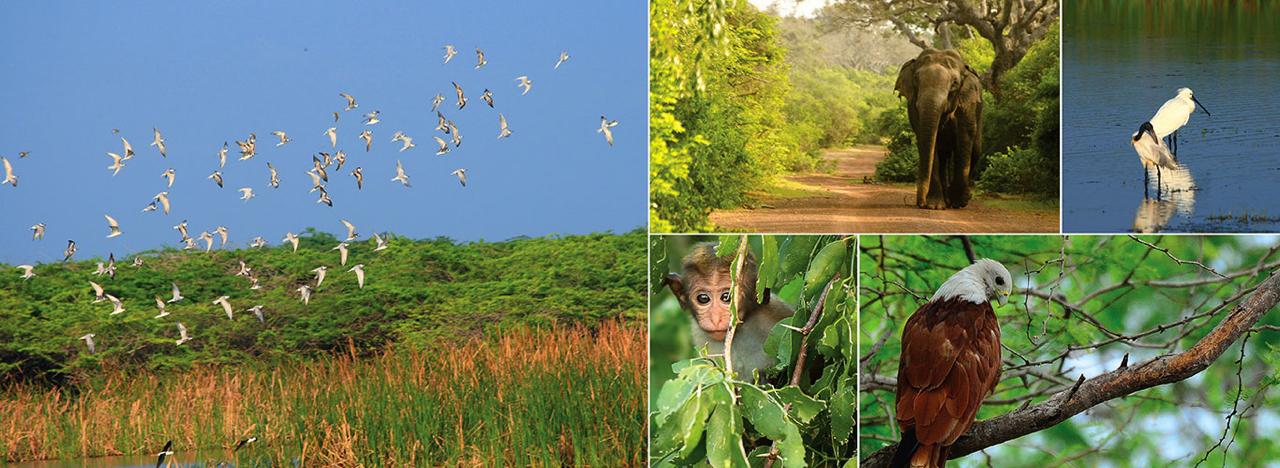
More Than a Crisis – We Saw a Duty to Act
Gengreen Plantation entered these landscapes with a mission rooted in compassion, science, and community:
We committed ourselves to:
Restoring degraded land
Rebuilding natural habitats
Protecting rural families
Reviving harmony between humans and elephants
All our work is carried out under the close supervision of Sri Lanka’s Department of Wildlife Conservation and Department of Forest Conservation.
Our efforts are not short-term; they represent a long-term, generational commitment to restoring ecosystems and strengthening human-wildlife coexistence.
More Than a Crisis – We Saw a Duty to Act
Gengreen Plantation entered these landscapes with a mission rooted in compassion, science, and community:
We committed ourselves to:
Restoring degraded land
Rebuilding natural habitats
Protecting rural families
Reviving harmony between humans and elephants
All our work is carried out under the close supervision of Sri Lanka’s Department of Wildlife Conservation and Department of Forest Conservation.
Our efforts are not short-term; they represent a long-term, generational commitment to restoring ecosystems and strengthening human-wildlife coexistence.
Commitment to sustainability and energy cost reduction
Quality assurance and timely delivery
Dedicated technical support
Commitment to sustainability and energy cost reduction
Quality assurance and timely delivery
Dedicated technical support